


Choosing between teeth aligners and braces is one of the most common decisions people face when they want a straighter smile. Many feel unsure because both methods fix crooked teeth, gaps, and bite issues, but they work in very different ways.
Some people prefer something almost invisible, while others like the idea of a system that has been used for many years.
This article breaks down the differences in a simple and clear way so you can understand how each option works, how they feel in daily life, and which one may match your goals.
Understanding the Basics
What Are Aligners?
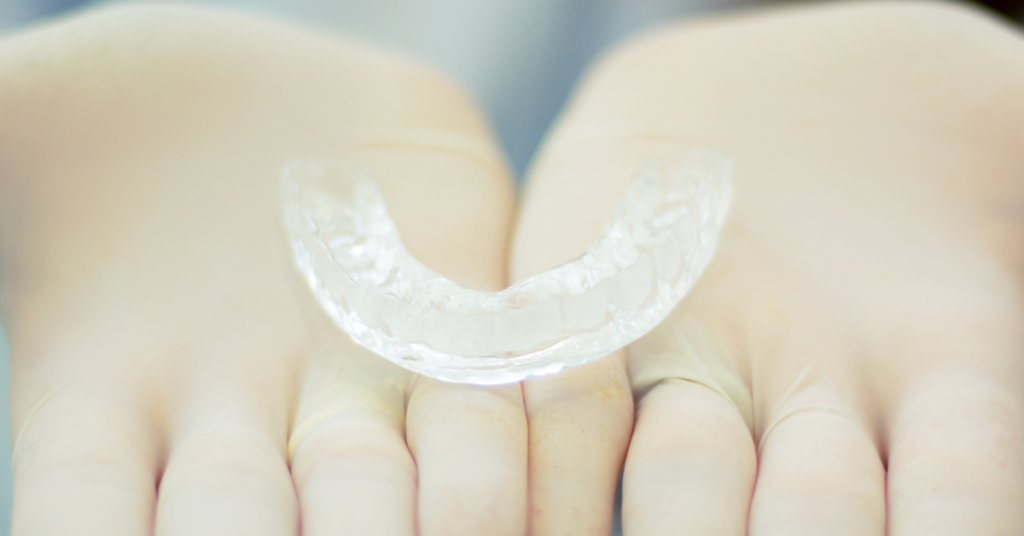
Aligners are clear, removable trays made from soft plastic. They are shaped to fit tightly over your teeth like a thin protective cover. As you move through treatment, you switch to a new set of trays every one to two weeks.
Each set is designed with small, planned adjustments that guide your teeth into better alignment, helping them move little by little until they reach their final position. Because they blend in so well, transparent teeth aligners are barely noticeable in daily life.
This is why they’re often chosen by students, working adults, and anyone who wants a comfortable treatment that fits naturally into their routine without drawing unwanted attention.
What Are Braces?
Braces use small metal or ceramic brackets that are fixed to your teeth. These brackets are connected by wires that your dentist adjusts during appointments.
When the wire is tightened, it puts steady pressure on your teeth and slowly moves them into a better position.
Braces are strong, reliable, and useful for correcting simple as well as complex alignment concerns. Ceramic braces are less visible than metal ones, giving people an option that looks a bit more discreet.
How Are They Different in Structure?
Materials Used
Aligners are made from smooth, flexible plastic that feels gentle against your cheeks and gums. The material is lightweight and clear, helping them stay hidden while you talk or smile.
Braces, on the other hand, use metal or ceramic brackets along with wires. Metal braces are more noticeable, while ceramic braces blend better with the natural colour of your teeth.
Because braces use stronger materials, they can handle more demanding movements that may be needed in certain cases.
How Each One Moves Teeth
Aligners work by applying even, gentle pressure across each surface of your teeth. Every new tray continues the movement step by step.
The shape of each tray is planned carefully so the teeth shift in the right direction at the right time.Braces move teeth through wires that guide the brackets.
As the wire is adjusted, it creates force that moves the teeth into position. This offers a strong level of control, making braces especially helpful when a case requires more detailed movement.
Comfort and Daily Experience
Wearing Them Every Day
Aligners can be removed at any time, which means you can take them out to eat, brush, or during special moments. For them to work properly, though, they need to be worn for most of the day.
Many people wear them for around twenty to twenty-two hours to stay on track.Braces remain attached to your teeth at all times. You never have to worry about losing or forgetting them.
Some people feel a little discomfort when they first get braces because the brackets may rub against their cheeks, but the mouth usually adjusts after a short period.
Eating and Cleaning
Aligners make eating simple because you remove them before meals. You can eat your usual foods without worrying about breaking any part of the treatment. Cleaning is easy too. You simply rinse the aligners, brush them gently, and place them back in.
Braces need a bit more effort. Since they stay on your teeth, certain foods can stick to them or damage the brackets.
You may need extra time to brush around the wires and brackets, and flossing can take longer. It becomes important to stay consistent with cleaning to avoid plaque build-up around the braces.
Treatment Time and Effectiveness
Which Works Faster?
The time needed for treatment depends on the person. Many people complete aligner treatment in nine to eighteen months. Braces usually have a similar timeline, though more complex cases may take longer.
Aligners may work faster for mild cases because you follow a planned series of trays. Braces may move teeth more quickly in difficult cases because of the stronger pressure created by the wires.
Which Works for More Cases?
Braces can correct a wide range of dental issues, including severe crowding, major bite problems, and more complicated tooth positions. Because braces are fixed, they allow very precise control.
Aligners work well for common problems like mild crowding, small gaps, and some bite concerns. Most people find aligners effective for everyday alignment needs. During a consultation, your dentist studies your teeth and suggests the option that will give the best results.
Looks and Confidence
Appearance in Daily Life
Many people choose aligners because they are hard to see. This can boost confidence during conversations, meetings, photos, or school activities. The clear trays fit closely to the teeth, so they do not distract from your smile.
Braces are more visible, especially metal ones. Ceramic braces blend more naturally but can still be seen.
Some people like braces because they feel more secure, while others prefer the subtle appearance of aligners. Your comfort level and lifestyle play a major role in deciding which is right for you.
Impact on Speaking
Some patients notice a small lisp when they start wearing aligners. The tongue needs a little time to get used to the new surface. In most cases, this improves within a few days.
Braces usually do not affect speech, though they may feel slightly bulky at first. As your mouth adjusts, speaking becomes natural again.
Cost and Maintenance
Long-Term Care
Once your treatment is complete, both aligners and braces require retainers. The retainer holds your teeth in their new place so they do not shift back. Retainers are usually worn regularly at first, then mostly at night.
Aligner patients may need new retainers as time passes, depending on usage. Braces patients also receive retainers, often in the form of clear trays or a thin fixed wire behind the teeth.
Replacing Broken Parts
Aligners can be misplaced or lost, especially during meals if they are placed in a napkin or left on a table. If this happens, you may need to move back to the previous tray or get a replacement.Braces can break as well.
A bracket can come loose if you bite something hard, and a wire may poke the cheek and require trimming. Both treatments need some attention, but aligners usually involve fewer unexpected visits.
Real-Life Examples
Students
Students who want a subtle treatment often choose aligners because they blend into their routine without drawing attention.
They can remove them during lunch or sports activities, which makes them easy to manage. The main challenge is remembering to put them back in after eating. If they forget often, treatment may slow down.
Students who prefer something they do not need to manage throughout the day may choose braces instead, as braces stay on all the time.
Working Adults
Adults who meet clients, attend meetings, or speak in professional settings often prefer a treatment that stays discreet. Aligners give them freedom to remove the trays during important moments, photos, or presentations. This flexibility helps them feel confident.
Adults who have more complicated alignment concerns may be recommended braces because braces can handle tougher corrections. It depends entirely on the difficulty of the case and the movements needed.
Teens and Busy Patients
Teens and busy adults who struggle to follow a strict schedule sometimes find braces easier because braces work throughout the day without needing active responsibility.
People who want flexibility and a more invisible method usually choose aligners. Many patients visit Teeth Aligners in India to understand the differences and pick the treatment that fits their lifestyle best.
Which Option Is Right for You?
Choosing the right option depends on the type of correction you need, how committed you are to wearing removable trays, and how visible you want your treatment to be.
Aligners offer a flexible, discreet approach, while braces offer strong guidance and are helpful for difficult cases.
A conversation with a trained professional will help you understand which treatment matches your dental structure and your daily routine.
Conclusion
Aligners and braces both help create a straighter smile, but each works in a different way and feels different in daily life. One option gives you the freedom to remove the trays during meals, while the other stays fixed and guides the teeth with steady strength.
Your comfort, lifestyle, and dental needs will help you make the right choice for your long-term results.
If you want guidance or need help deciding which treatment is best for you, feel free to reach out to Teeth Aligners in India for friendly support and clear explanations.
