

Kids and teens today care a lot about how they look, especially when it comes to their smiles. With social media, school, and friendships being a big part of their lives, feeling confident in their appearance matters.
That’s why many young patients and parents are choosing modern orthodontic options that are less visible and more comfortable. One of the most popular options is teeth aligners, a clear, removable alternative to traditional metal braces.
But are they a good choice for younger patients? Let’s explore whether aligners are effective for kids and teens, how they work, and what parents should consider before choosing them.
What Are Teeth Aligners and How Do They Work?
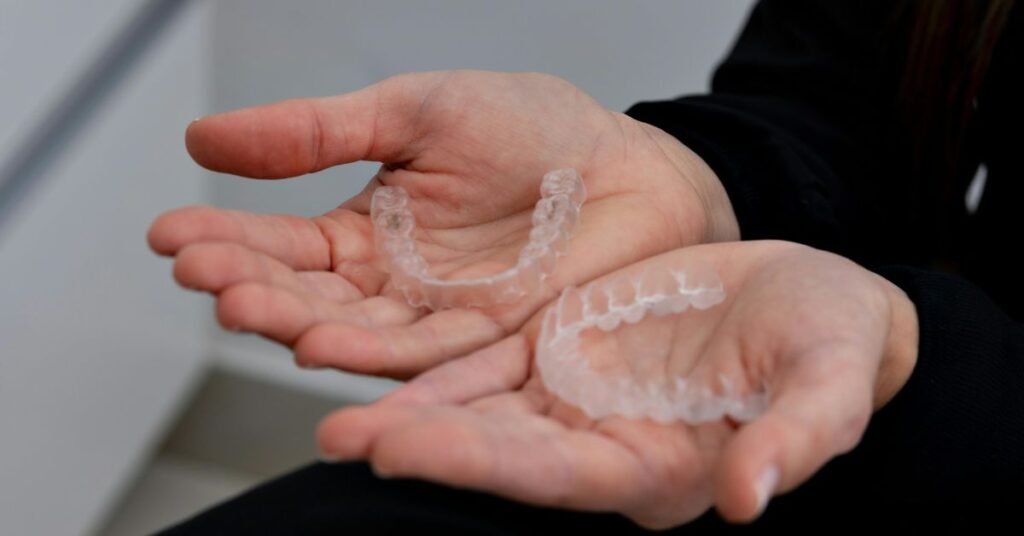
Teeth aligners are clear, custom-made plastic trays designed to move teeth gently into better positions. Unlike metal braces, which use wires and brackets attached to the teeth, aligners are slipped on and off like thin mouthguards.
These trays are created using digital scans or impressions of the patient’s teeth. A computer model shows how the teeth will shift over time, and based on this movement, a series of aligners is prepared.
Each aligner is worn for about one to two weeks before switching to the next one in the series. Over time, the teeth gradually shift into alignment without the need for metal attachments.
Aligners work in a similar way to braces by applying controlled pressure to specific teeth. However, with modern teeth aligners, the process is more comfortable and efficient.
Since they are clear, most people don’t even notice when someone is wearing them. This makes them especially appealing to young patients who feel self-conscious about traditional braces.
Are Teeth Aligners Suitable for Kids and Teens?
Many kids and teens can get great results with aligners, but they’re not the best fit for every child. Several factors help determine if aligners are a good choice.
Best Age to Start Treatment
In some cases, children as young as 7 can begin evaluation for aligners. However, most dentists prefer starting with kids who are at least 10–12 years old.
This is typically when most permanent teeth have come in. At this age, aligners can begin correcting growth issues early, preventing more serious problems later.
Teens are also ideal candidates because they usually have all their adult teeth and understand how to care for their aligners responsibly.
They also value the nearly invisible look that aligners provide, especially during school years.
Signs Your Child May Benefit from Aligners
If your child has issues like crowded teeth, gaps, crossbites, overbites, or underbites, aligners may help. These problems can affect not only the look of their smile but also how they chew and clean their teeth.
Early orthodontic treatment can prevent further issues like speech difficulties, jaw discomfort, or even tooth damage.Before starting treatment, the dentist will check the child’s teeth, jaw growth, and bite.
It’s also important to make sure that the child understands how important it is to wear the aligners as instructed.
What Parents Should Know Before Starting
Kids and teens who use aligners need to wear them for at least 20 to 22 hours a day. That means they should only take them out during meals and when brushing or flossing.
This level of responsibility can be a challenge for younger kids, but older patients usually do well with it.Aligners are removable, so keeping track of them is also important.
Losing or damaging an aligner can slow down treatment. That’s why parents need to take an active role in helping younger children build good aligner habits.
Benefits of Teeth Aligners for Young Patients
Kids and teens who qualify for aligner treatment enjoy several benefits that go beyond just having straighter teeth.
Comfortable and Less Noticeable
Aligners are smooth and don’t have wires or brackets that can rub against the inside of the mouth. For many kids, this means less discomfort and fewer visits for adjustments. They’re also nearly invisible, which makes teens feel more comfortable speaking and smiling.
Since they blend in so well, aligners help children feel like they can be themselves, whether they’re in school photos, chatting with friends, or performing on stage.
Easier Cleaning and Oral Hygiene
Brushing and flossing with metal braces can be hard. Food gets trapped easily, and if not cleaned properly, it can lead to cavities and staining.
With aligners, kids take them out before brushing, so they can clean their teeth normally. This means better oral hygiene and healthier gums throughout the treatment.
Fewer Food Limitations
With metal braces, kids often have to avoid foods like popcorn, hard candy, or chewy snacks that can damage the braces.
Aligners don’t have this problem. Since they’re removed while eating, kids can enjoy most of their favourite foods with fewer worries.
Parents love that they don’t have to remind their children as much about what to avoid. Kids love that they don’t miss out on certain treats.
Challenges and Considerations for Kids and Teens
While aligners offer many benefits, they also come with challenges that parents and young patients should consider before starting.
Staying Consistent
Aligners only work if they’re worn as directed. If a child forgets to put them back in after eating or leaves them out too long during the day, the treatment can take longer.
This responsibility may be too much for younger children but may work well for motivated teens.
Parents might need to remind kids at first, but over time, older patients usually get into the routine and take ownership of their progress.
Speech Changes at the Start
Some kids experience a slight change in their speech, especially during the first few days of wearing aligners. They might lisp or feel like their mouth is crowded.
This usually improves quickly as they get used to talking with the trays in.Encouragement and practice can make this adjustment phase smoother.
Possible Need for Attachments or Refinements
In some cases, attachments may be placed on the teeth to help the aligners grip better and move teeth more effectively. These attachments are tooth-coloured and small but may still be slightly visible.
Sometimes, extra aligners are needed later in the treatment if teeth don’t move as expected at first. This is normal and part of the process of getting the best results.
Comparing Aligners to Traditional Braces
Both aligners and braces aim to straighten teeth and improve the bite, but they work differently and have different advantages.Aligners are more comfortable and less noticeable, which is why many teens prefer them.
Traditional braces are often more effective for very complex cases or for younger patients who may struggle with the responsibility of removable trays.
Cleaning teeth is easier with aligners because they can be removed for brushing and flossing. Braces make brushing trickier since food can get stuck around wires and brackets.
However, since braces stay on all the time, parents don’t have to worry about kids losing them or forgetting to wear them.Treatment time can vary with both options.
In many cases, the overall length of treatment is about the same. But consistency with aligners is key. If not worn enough, the treatment may take longer than expected.
Real-Life Examples and Patient Experiences
Many young people have successfully used aligners to improve their smiles and confidence.One child began aligner treatment at age 9 due to crowding in the front teeth.
Since most of the permanent teeth had already started growing in, the dentist recommended early intervention.
In just 10 months, the child’s teeth were noticeably straighter, setting the stage for a healthier smile as more teeth came in.
A teenager experiencing an overbite chose aligners instead of braces to avoid feeling shy in high school.
With proper use and support from their family, they saw impressive results in a year. The teen reported feeling more confident smiling in photos and speaking in class.
Many parents appreciate aligners because they make oral care easier at home, with fewer issues caused by food getting stuck.
They also notice fewer dental emergencies, since there are no braces that can break or poke the mouth.
What Parents Should Expect During Treatment
Parents play a big role in helping kids succeed with aligner treatment. Even though teens are more independent, support and encouragement are still valuable.
Regular check-ups with the dentist are important. These visits usually happen every six to eight weeks to make sure the teeth are moving correctly and to give the next set of aligners.
It’s helpful to set reminders for younger patients to put their teeth aligners back in after eating. A special case can also reduce the chance of aligners being lost at school or during activities.
Some families use progress charts or small rewards to keep their child motivated. Teens may feel inspired by seeing how much their smile changes over time.
Conclusion
Teeth aligners can be a very effective option for kids and teens when used properly. They offer comfort, confidence, and convenience that many young patients prefer.
While aligners require responsibility and care, the results are often rewarding for both children and parents.
If you’re considering aligners for a young family member, talking with a qualified dental professional is the best way to learn if they’re a good fit.
A trusted provider like Teeth Aligners in India can guide you through the process and help you make the best choice for a healthy, confident smile.
