


If you are considering orthodontic treatment, one of the first questions that may come to mind is how often you need to change your clear aligners trays.
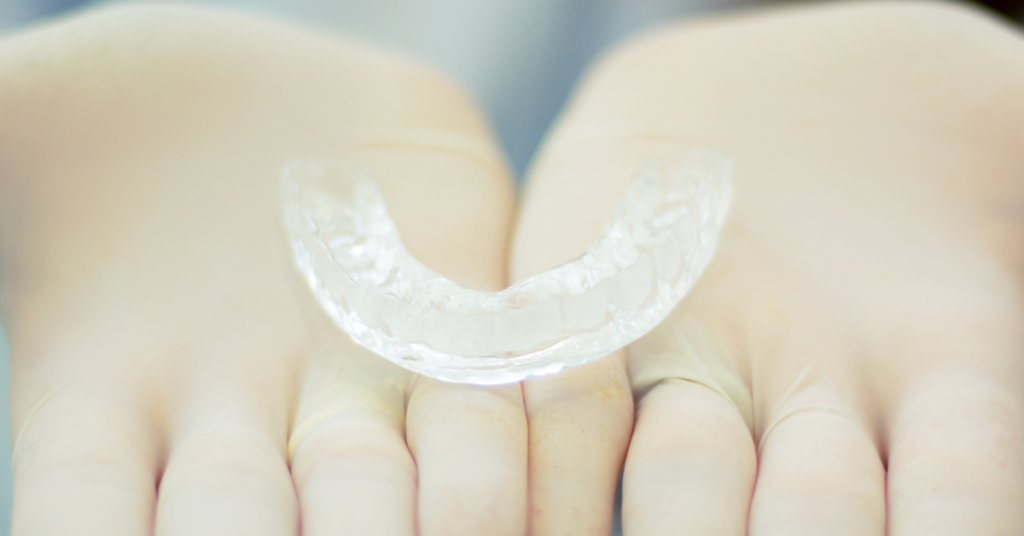
These trays are nearly invisible and have grown popular with both teens and adults who want straighter teeth without the look of metal braces.
The success of this treatment, however, depends on more than just wearing the trays,it also relies on switching them at the right time. Changing trays too early or too late can affect the results, which is why understanding the correct schedule is so important.
This article explains why tray changes matter, what the standard schedule looks like, what factors influence timing, and how dentists decide the right plan for each patient.
Why Tray Changes Matter in Aligner Treatment
Clear aligner treatment works in a series of steps. Each new set of trays is made to move your teeth slightly from their current position to a new one. When you put on a new tray, you will likely feel tightness or pressure.
That is a sign that the tray is guiding your teeth. Over the following days, your teeth begin to adjust to match the shape of the tray.
If you delay changing to the next tray, your teeth may stop moving forward, which can slow down the entire treatment. On the other hand, switching trays too soon can also cause problems.
Your teeth might not be ready, and the tray may feel extremely tight or even fail to fit properly. This can create discomfort and prevent your teeth from moving as planned.Think of the process as climbing stairs.
Each tray is like one step. You cannot skip too many steps without stumbling, and you cannot stand still if you want to reach the top. Steady, timed changes with Removable Teeth Aligners keep your progress moving in the right direction.
Standard Schedule for Changing Aligner Trays
The General Two-Week Rule
The most common guideline for changing trays is every two weeks. Most patients are told to wear each set for about fourteen days before moving on to the next one.
This time allows teeth to shift and settle into their new position without causing extra stress. The two-week schedule has been the standard for many years and remains a safe and effective option for most patients.
When Dentists May Suggest Weekly Changes
In recent years, some patients have been able to move at a slightly faster pace. With improvements in aligner materials and digital monitoring, many dentists now suggest changing trays every seven to ten days.
This is usually recommended for patients who are consistent about wearing their aligners for twenty to twenty-two hours each day. By following instructions closely, these patients may finish treatment sooner while still keeping results predictable.
Special Cases That Need Longer Wear
Not every situation fits neatly into a weekly or two-week cycle. Certain tooth movements, like rotating stubborn teeth or shifting molars, may require more time.
In these cases, dentists sometimes advise wearing a single tray for three weeks or longer. This gives the teeth extra time to respond to the pressure and prevents setbacks later in the treatment.
Factors That Affect Tray Change Frequency
Complexity of Your Case
No two orthodontic cases are the same. Someone with small gaps between front teeth may progress more quickly through trays than a patient with severe crowding or bite problems. Complex cases often require slower, more controlled movements, which means longer wear for each tray.
Age and Tooth Movement Speed
Age can also play a role in how quickly teeth respond. Younger patients may experience faster tooth movement since their bone structure is more adaptable.
Adults can still achieve excellent results, but sometimes at a slightly slower pace. Age is just one factor, though, and consistent wear remains more important than age alone.
Consistency in Wearing Aligners
The single biggest influence on tray schedules is how faithfully patients wear their aligners. If trays are removed often or not worn for long enough each day, teeth do not move as predicted.
In those situations, dentists may ask patients to wear the same tray longer to catch up.In growing cities like Bangalore, many working professionals appreciate that Clear Aligners are flexible and fit into their daily routine.
But even with that flexibility, commitment to wearing trays as instructed is the difference between staying on schedule and facing delays.
What Happens If You Change Too Soon or Too Late?
Changing trays earlier than recommended can cause unnecessary discomfort. The aligners may feel painfully tight, and sometimes they may not even fit over your teeth.
Forcing trays before your teeth are ready can interrupt the treatment plan and may even damage the aligners.Wearing a tray for too long can also create problems.
Over time, the plastic relaxes and loses some of its pressure. Your teeth may settle into that stage and stop progressing, which can make the next tray harder to fit. This leads to wasted time and may require repeating steps.
Both situations highlight why following the planned schedule is so important. The balance between too soon and too late is delicate, and only a dentist can provide the right timing for each case.
How Dentists Decide Your Tray Schedule
Every clear aligner treatment begins with digital scans and imaging. These tools allow the dentist to design a step-by-step plan that predicts how your teeth should move with each tray.
The software creates a series of trays that gradually guide your teeth from their starting position to the final result.
Even with careful planning, teeth sometimes move at a slightly different pace than expected. That is why routine checkups are part of aligner treatment.
During these visits, dentists compare your progress to the original plan and make changes if necessary. If you are ahead of schedule, they may let you move faster. If you are behind, they may ask you to slow down.This professional guidance is essential.
While apps and reminders are useful for staying on track, it is the dentist who ensures your treatment is moving correctly. That combination of technology and expert supervision is what makes aligner therapy reliable.
Signs You’re Ready for a Tray Change
Patients sometimes wonder whether they can tell when it is time for a new tray. While the schedule should always follow dental advice, there are a few signs that may suggest your current tray has done its job.
If your tray feels loose and no longer fits tightly, it may be a signal that your teeth have adapted to that stage. You might also notice that the strong pressure you felt at the start has lessened. Finally, your dentist may confirm during a checkup that your teeth are ready for the next tray.
Even so, it is important not to rely only on these signs. Self-judging can lead to switching at the wrong time. The safest way is to follow the plan and check in with your dentist when unsure.
Patient Tips for Staying on Track
Sticking to your schedule is easier when you build good habits. One of the best ways to stay consistent is by setting reminders. Many patients use phone alarms or apps that alert them when it is time to switch trays.
Proper care of aligners is also important. Always store them in their case when not in use, and never place them in hot water, which can change their shape.
Keeping your trays in good condition helps them do their job correctly and supports good oral hygiene throughout treatment.Finally, communication with your dentist makes a big difference.
Whether you are in Bangalore or any other city, checking in with your clinic when questions arise prevents mistakes and keeps treatment on track. Clinics like us emphasize open communication, making it easier for patients to follow their plan with confidence.
Conclusion
Changing clear aligner trays at the right time is one of the most important parts of orthodontic success. Each tray is a small step forward, and switching too soon or too late can slow your progress.
Most patients follow a one- to two-week cycle, but the exact schedule depends on age, case complexity, and consistency in wearing the trays.
Dentists guide this process using digital planning and regular checkups, making sure each stage builds on the last.
For patients seeking reliable orthodontic care and clear guidance, Teeth Aligners in India provides expert support to make treatment smoother and more effective.
By following the plan and keeping communication open, patients can move confidently toward a healthier, straighter smile.
